
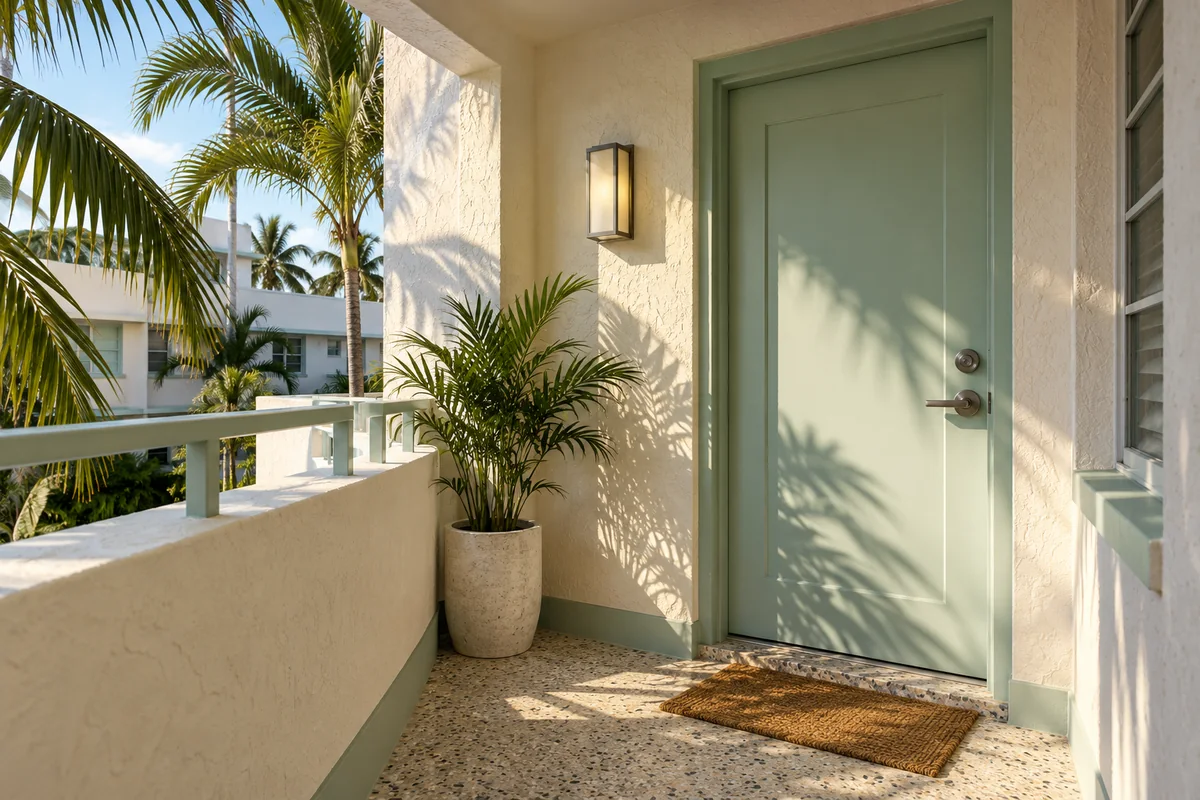
Point to one door at a time
Write down the private unit entrance, the shared main door and any parking access involved. Note which one is causing trouble and which key or control you normally use there. If one key opens several doors, mention that connection without assuming all of those locks are yours to change.
For a residential request, include the unit number and whether you own, rent or otherwise have permission to occupy it. A business should distinguish its own entrance from a communal lobby or corridor. These are practical questions for arranging work, not a conclusion about a lease or anyone’s legal rights.
Bring the responsible person in early
Ask the owner, manager or authorized business contact who should approve the particular work. Shared hardware can affect people who are not part of your call. A building contact may also know whether a private lock participates in a wider key arrangement.
If you are locked out, explain your connection to the place and ask what verification will be required. Keep necessary documents and contact details available. The urgent access page covers how to describe the immediate problem while permission is being settled.
Approve an outcome for that entrance
Decide whether the request is access, restoring operation or changing who holds a usable key. If two outcomes are needed, say both. A rekey can change a suitable cylinder’s operating key; it does not automatically alter a shared door elsewhere or repair a failing latch.
Before proceeding, review the doors, work and keys included in the estimate. If another problem is found, ask how the proposal changes. When the work is finished, keep the supplied keys matched to their intended entrances and share them only with the people authorized under the arrangement you agreed.