
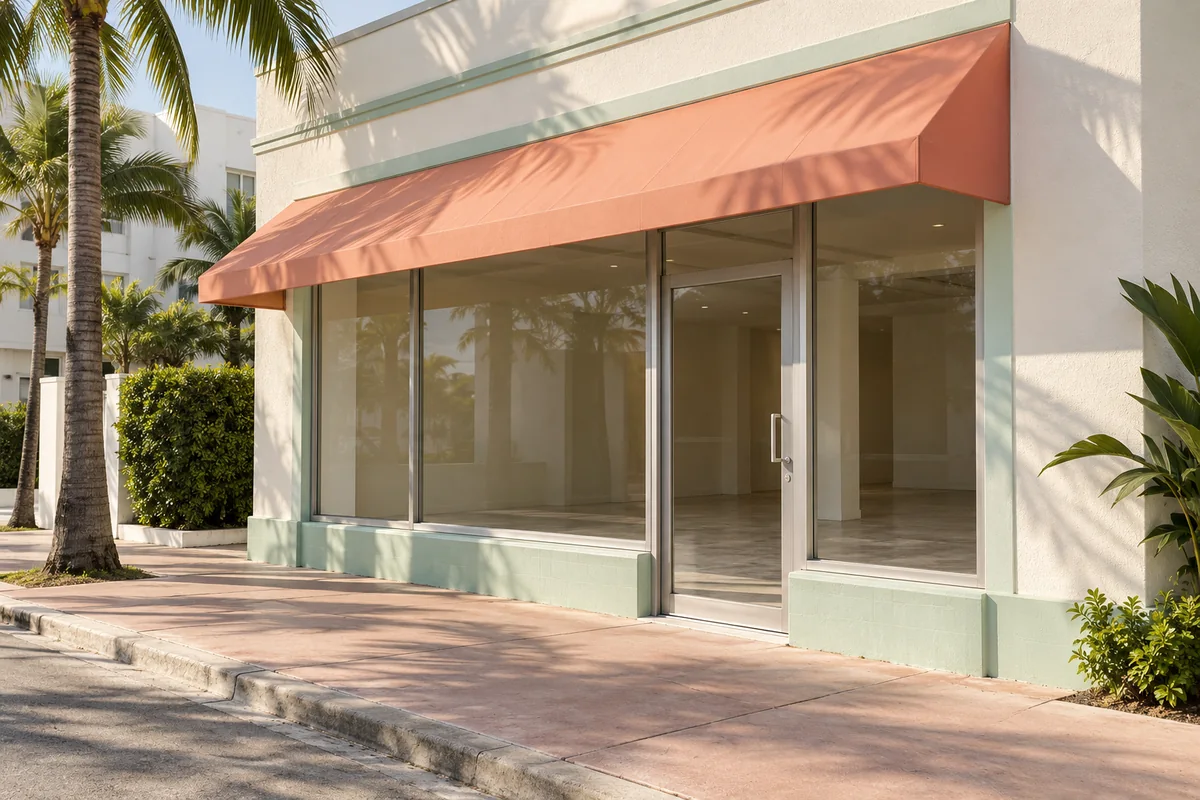
Which side of the business?
Describe the actual doorway: public shop entrance, private office or rear staff access. Include a unit or business name alongside the street number. If the approach differs from the customer entrance, explain it on the call. A building lobby shared with other occupants belongs in a separate discussion with the responsible property contact, even if your staff pass through it every day.
Staff keys and faulty locks differ
If a former keyholder still has a key, ask about rekeying suitable cylinders. If a handle is loose or a latch does not engage, describe the repair problem instead. Both concerns may exist at the same entrance. Record which doors a missing key could operate so an overlooked staff door does not remain outside the request.
Keep one authorized contact involved
Choose a person who can explain the key arrangement and approve the proposed scope. They may need to coordinate with the owner or property manager. Avoid distributing entrance codes in a general message; ask how necessary access information should be handled. Do not assume a lock request includes an electronic entry system, specialist door equipment or a building-wide key project. Confirm the actual supported work first.
Plan the return to ordinary use
Explain any practical constraint, such as the doorway being the normal public entrance, and ask what the work involves. Confirm the estimate, parts and key count before approving changes. Afterward, ask to review the agreed locking and opening behavior and identify who receives the finished keys. The door responsibility guide is useful when the space is leased or the entrance serves several occupiers.