
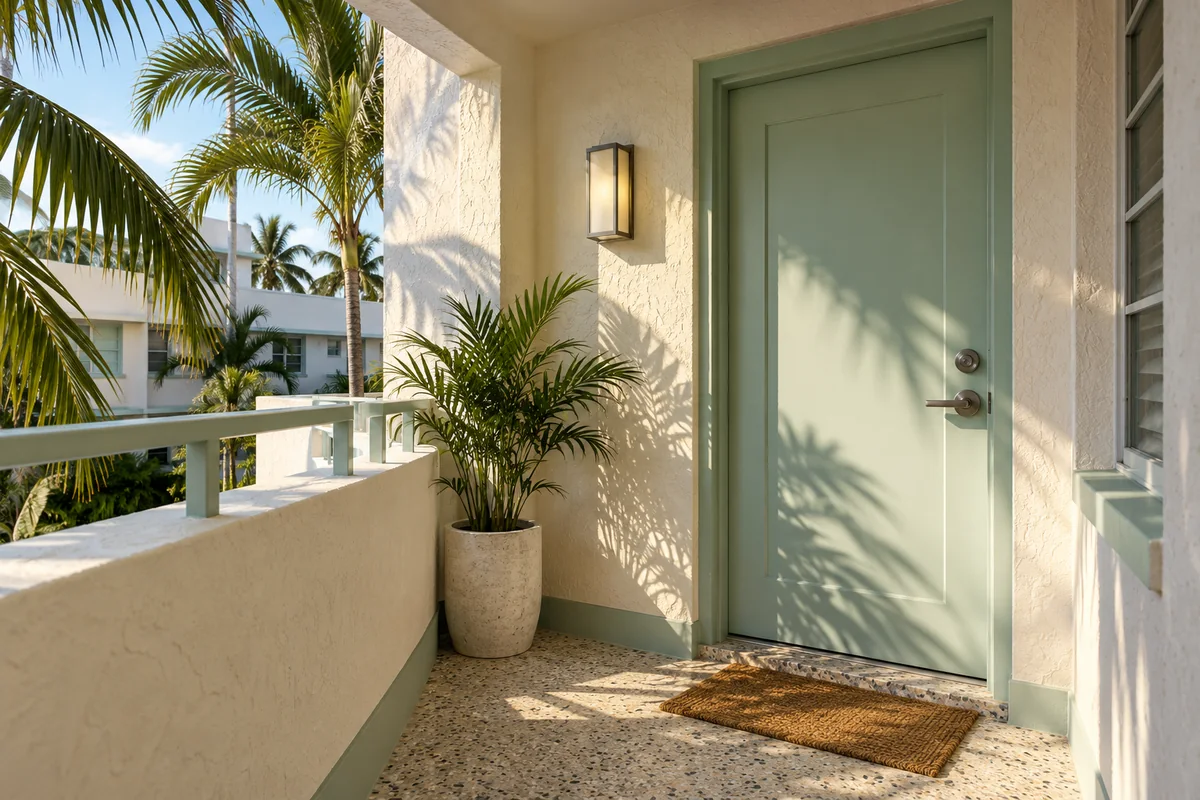
What is on the other side?
Keys left inside and a key broken in the lock are different starting points. Explain which door is shut, whether the lock was working normally before and whether another authorized person has a spare. Mention a key fragment without trying to push it out with another object. If a person is in immediate danger, contact emergency services before pursuing an ordinary service request.
Your entrance may be past the lobby
At an apartment building, say whether the problem is getting through the main entrance or opening your private unit. Include the unit and floor as well as the street address. A shared door may require the building manager rather than an individual occupant to approve work. The authorization guide explains which questions to settle before someone is sent to the wrong entrance.
Locate the problem and the caller
You may be waiting in a different place from the affected door. Keep those two locations clear, especially if a visitor entrance or restricted parking area is involved. For a vehicle, give the actual garage level or lot position; the address of a nearby restaurant is only a reference. Share a way to reach you and update the request if you move. There is no need to remain beside an unsafe doorway or traffic lane.
Agree on the immediate goal
Regaining access does not automatically include a replacement lock or a new vehicle key. Explain what you need first, then ask how damage or a missing key might affect later work. Check current availability, any arrival estimate and the proposed charges on the call. If assessment changes the approach, ask for the reason and the revised scope before authorizing it.